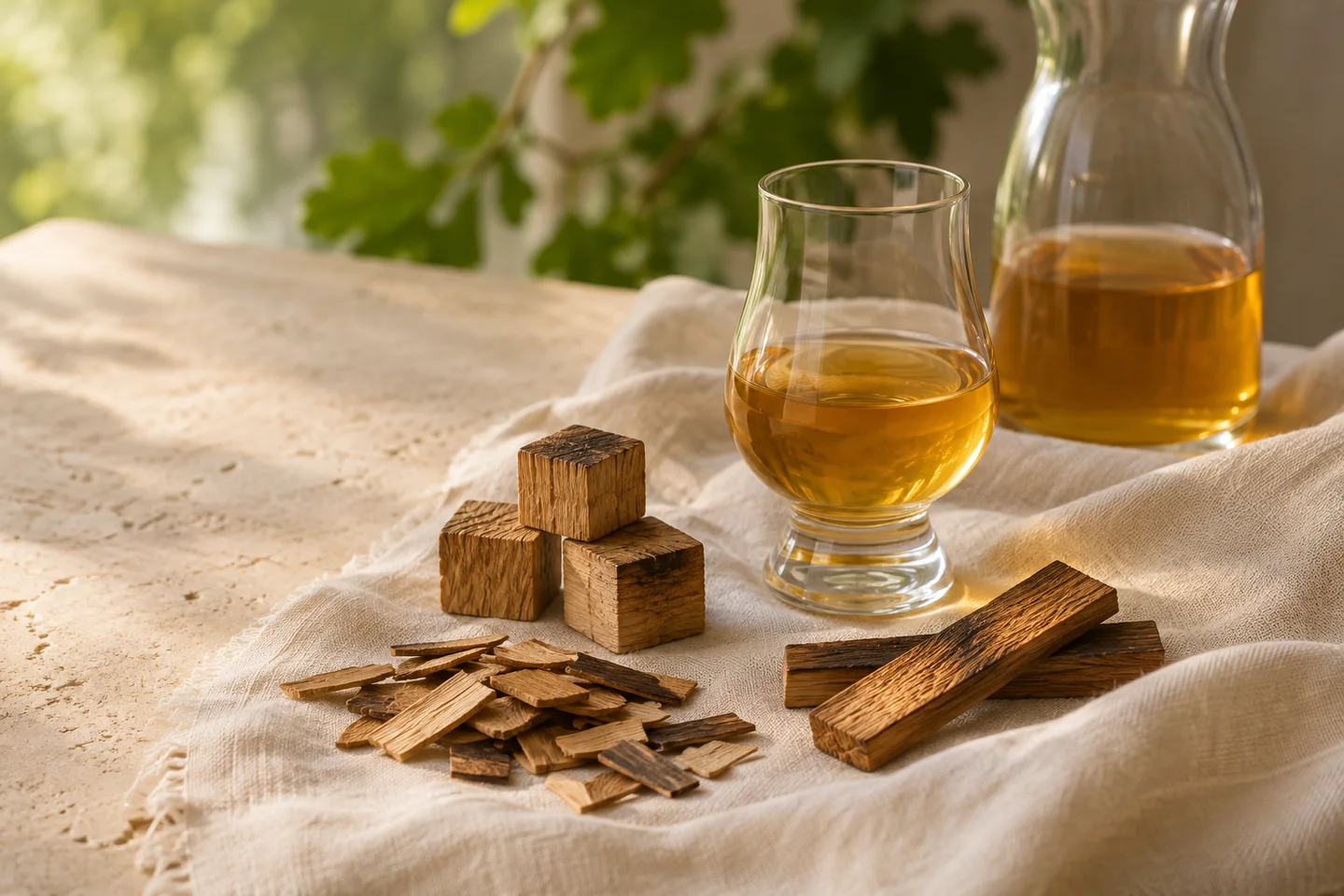
Oak in mead can bring a new layer of aroma, texture and flavour. The useful question is what you want it to contribute: a little warmth behind the honey, a toasted edge, or a more noticeable wood character.
Start with four separate choices: origin, form, toast and surface char. Keep those details together and your next batch becomes much easier to compare.
01. Begin with the oak itself.
French, American and Hungarian describe where the oak comes from. They are useful starting points, but the finished product also reflects the wood’s seasoning and the producer’s toasting process. The exact product matters as much as the country on the label. StaVin’s guide to oak origins explains how it selects and seasons these three origins.
American oak
A candidate when you want a more prominent oak aroma. Depending on the product and toast, the producer may describe vanilla, caramel or roasted notes.
French oak
A candidate when you want a subtler oak contribution. Compare the producer’s tasting notes for spice, toast and mouthfeel before choosing.
Hungarian oak
Another origin to explore alongside French and American. Read the particular product’s profile rather than assuming every Hungarian oak will give the same flavours.
The French/American comparison follows The Barrel Mill’s product guidance. These are directions to explore, not promised tasting results in your mead.
02. Choose a form that fits your batch.
Shape changes how the wood meets the liquid and how you handle it. Small pieces and larger inserts can have different extraction timelines. Even within one shape, dimensions matter; a gram-for-gram swap does not necessarily give the same result. See StaVin’s product and contact-time guidance.
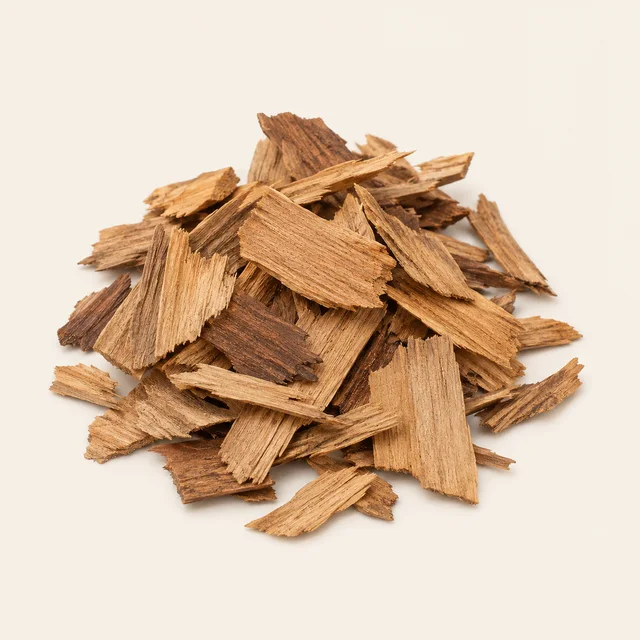
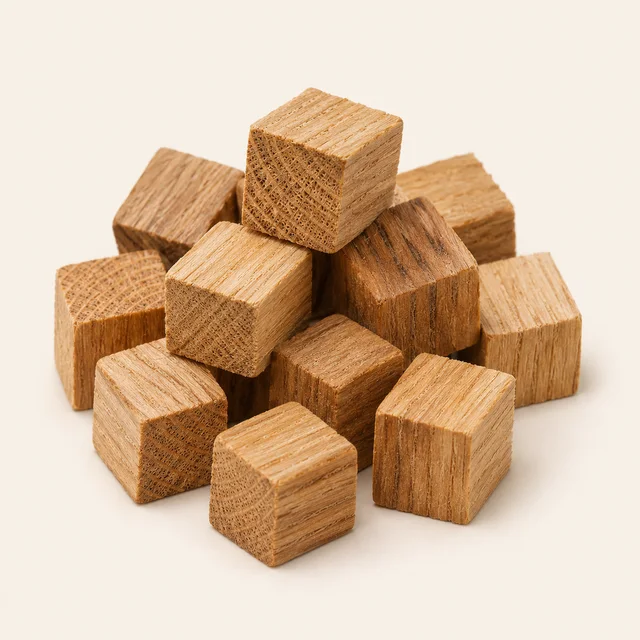
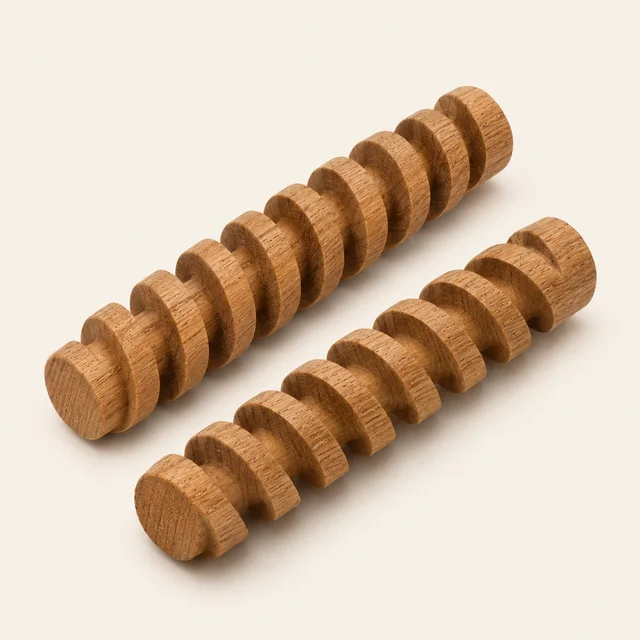
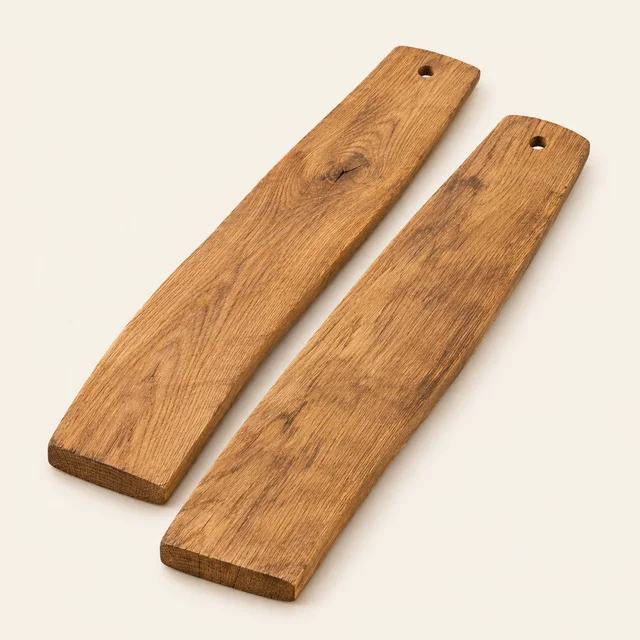
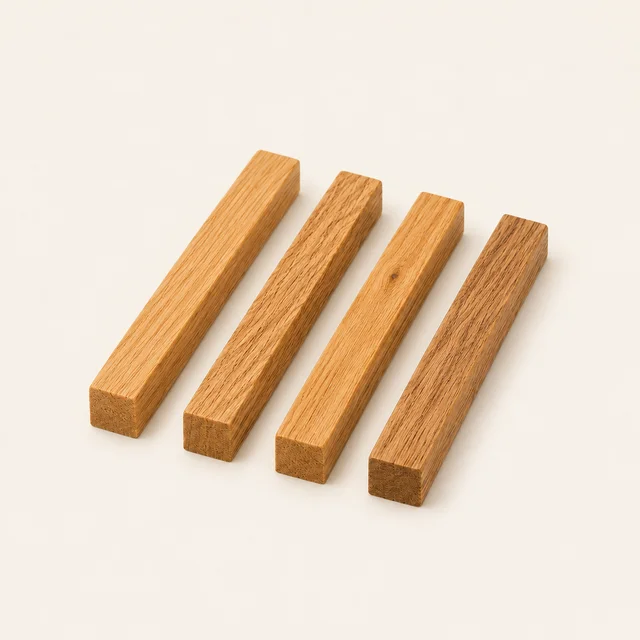
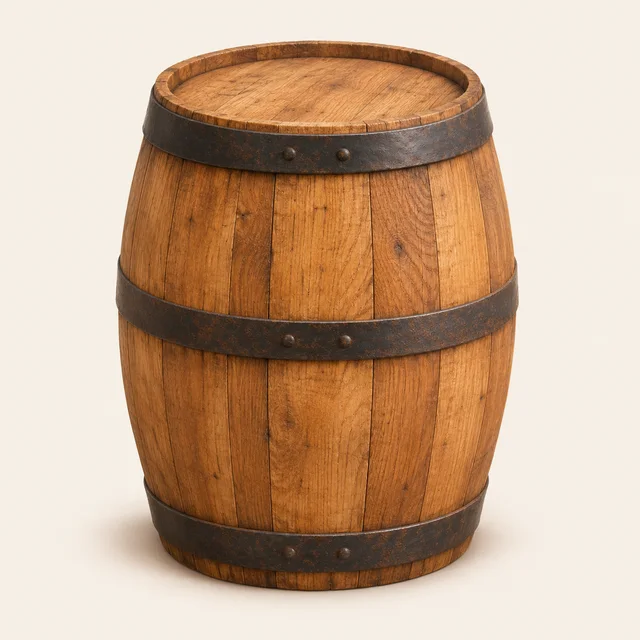
Illustrations show the forms, not their relative sizes. Product dimensions vary.
How oak form affects extraction and ageing.
Chips often release oak character faster than larger pieces or a full-size barrel. Splitting the same amount of wood into thin pieces exposes more surface to the liquid and shortens the distance into the wood. Exposed end grain matters too. StaVin links smaller pieces to faster extraction, and its oak handbook explains the influence of end grain. The amount of exposed wood relative to your batch volume also matters: shape alone does not set the pace.
Six forms, different extraction patterns.
These are useful tendencies, not a fixed fastest-to-slowest ranking. Compare the actual product, its dimensions and dose. The geometry principles above help explain the differences; the linked producers describe examples from their own ranges.
Chips
Thin pieces with a lot of exposed surface for their weight. Often a quick route to oak character, so check the flavour early. StaVin’s handbook describes rapid extraction from chips.
Cubes
Thicker than thin chips, cubes generally release their compounds more gradually. They can still extract faster than large staves: StaVin describes its small Oak Beans cut from staves this way. Cube size matters when comparing products.
Spirals
The cuts expose end grain and make a relatively large insert an efficient extraction shape. The Barrel Mill explains this end-grain effect in its spirals. Do not judge extraction speed from the spiral’s overall length.
Staves
Larger, solid pieces are often chosen for more gradual extraction and longer contact. Nobile describes its staves as slow and gradual. Check thickness as well as length; different stave products need different contact periods.
Sticks
Record thickness and cut surfaces as well as length. A stick is not automatically a fast option: Œnobois makes 22 mm thick sticks for long wine ageing. Its timetable belongs to that product, not every stick used in mead.
Barrels
The oak is also the ageing vessel. Capacity, previous use and the wood surface per litre matter, alongside the barrel’s oxygen exchange. A small new barrel may give oak character quickly; a barrel is not automatically the slowest choice.
Extraction is the transfer of compounds from the wood into the drink. Maturation is the drink’s continuing development over time, including how its aromas, flavours and texture come together. A quick change in oak aroma or colour does not tell you that the mead has finished maturing.
Give the oak time. Give the mead time.
With removable oak: chips, cubes, spirals, staves and sticks all let you separate wood contact time from total ageing time. When the oak character suits your batch, you can remove the wood and allow further maturation. Maturation is already happening while the wood is in; it does not begin only after removal. A quick extraction therefore does not mean a finished mead.
With a barrel: oak extraction and maturation happen together during the stay in the barrel, often over a longer contact period. The vessel also allows gradual oxygen exchange, so matching its oak flavour with inserts does not reproduce every aspect of barrel ageing. AWRI’s discussion of oak additions and barrel maturation explains this distinction in wine.
A small barrel can be the exception. Smaller barrels have more internal wood surface per litre than similarly shaped large barrels, so a small new barrel can give oak character quickly. The Barrel Mill highlights this greater wood contact in smaller barrels. Record its size and previous use rather than assuming “barrel” always means slow.
The Barrel Mill’s spiral guidance also separates flavour extraction from the extra time that improves integration in wine. For any form, record when the oak character feels right and how it fits with the rest of your mead during later tastings.
03. Toast is a flavour choice.
Toasting changes compounds in the wood. Its temperature and duration both matter, so “medium” is a producer’s description rather than one universal recipe. World Cooperage’s explanation of toasting chemistry shows why more heat changes the character as well as the colour.
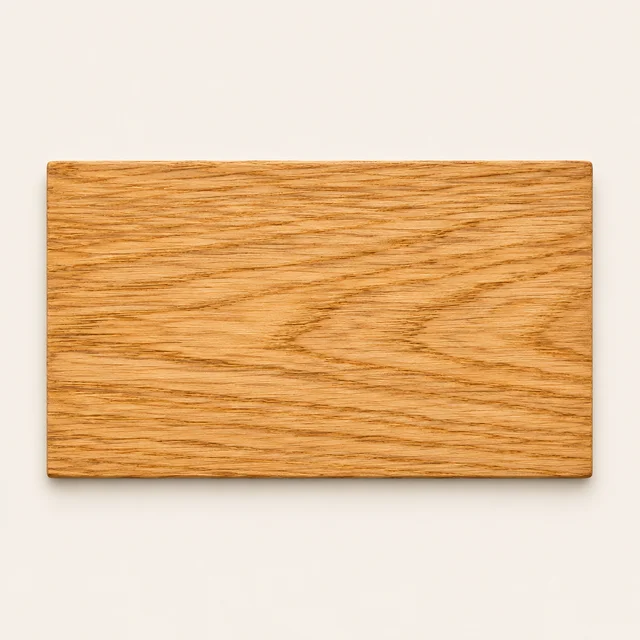
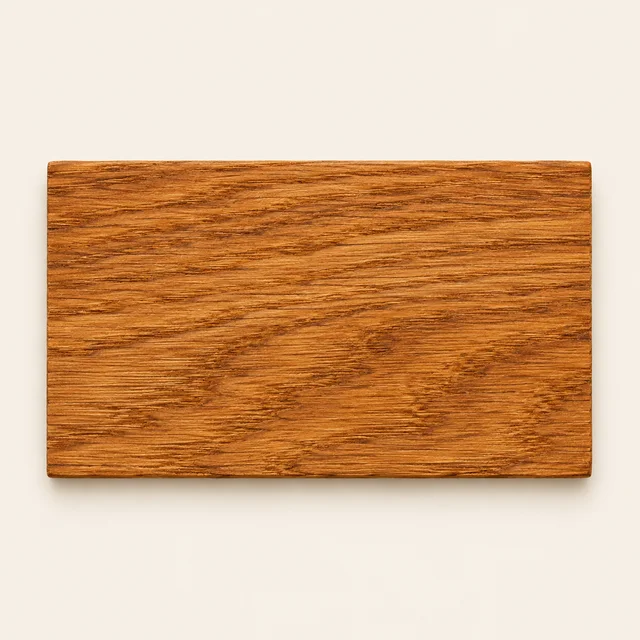
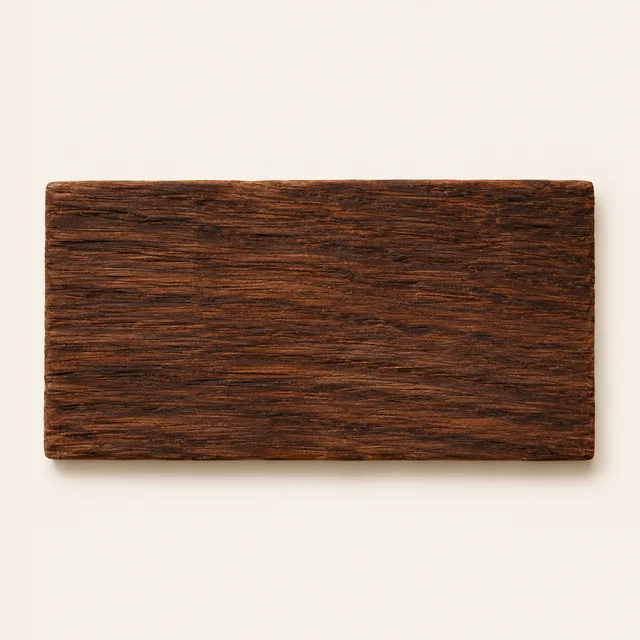
The aroma examples draw on World Cooperage’s Traditional Series and The Barrel Mill’s American oak range. These illustrations are visual guides, not a way to identify an unknown toast by colour. Caramel and vanilla describe aromas here, not a measured sugar addition.
04. Keep charring separate from toast.
Charring means burning the wood’s surface. A toasted piece can also have a charred surface, so it is useful to record both treatments. The Barrel Mill, for example, describes separate toasting and charring processes for its spirals.
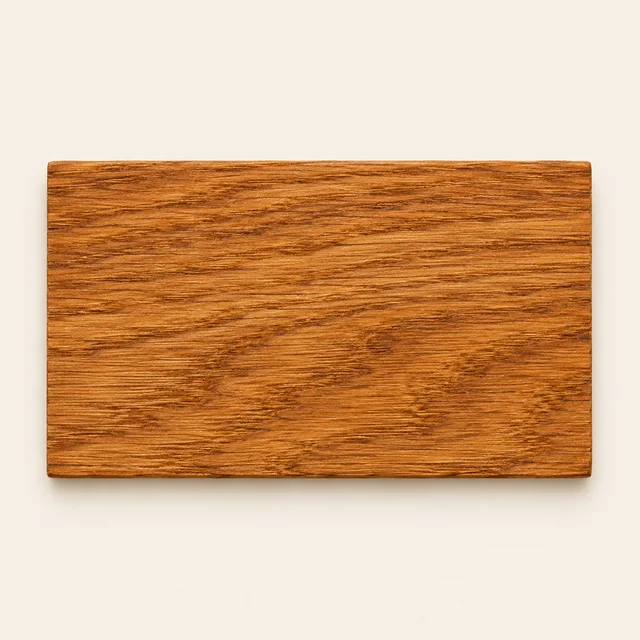
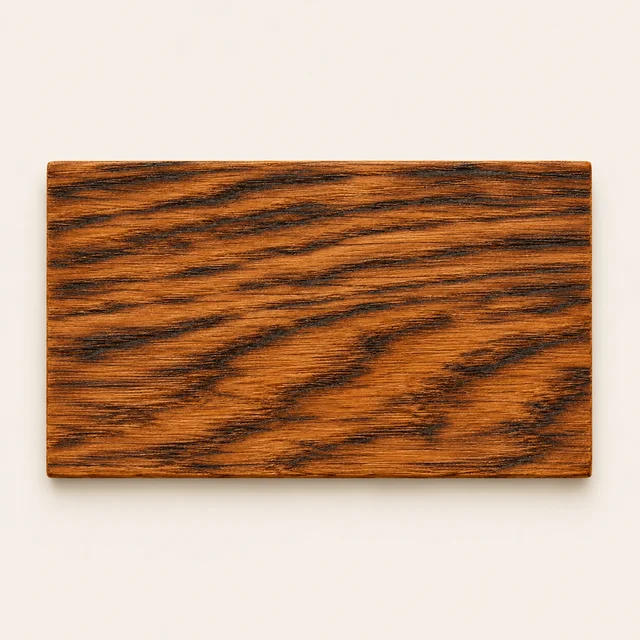
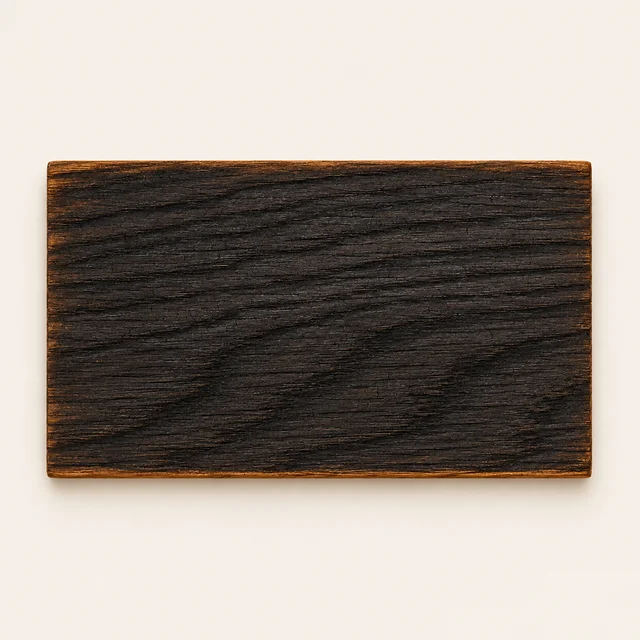
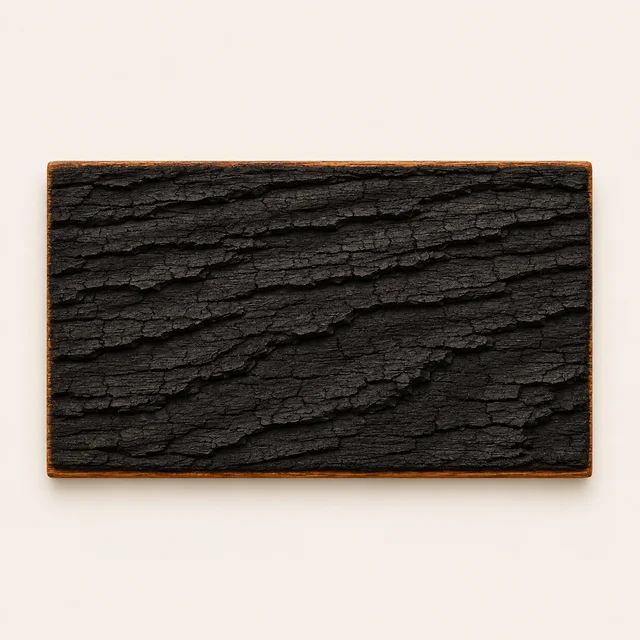
In Gary’s Mead, these labels describe what you used. They do not correspond to a cooperage’s numbered char scale. If the supplier specifies a char number, keep that in your notes. If you do not know, choose Not recorded.
“French oak sticks · medium toast · light surface char on one broad face.”
That is an example of a useful record: a future version of you can see what “lightly charred” meant for this particular batch. A photo can help too.
05. Let the product guide the starting point.
Use oak sold for beverage ageing, and begin with the supplier’s instructions for that specific product. Record the actual liquid volume, your addition and the date. Taste as it develops, and note both what you notice and when you notice it. There is no single contact time that this guide can sensibly assign to every chip, cube, spiral, stave, stick and barrel.
What about preparation?
Check the supplier’s preparation and storage guidance before adding the wood. New sealed products, opened packs and previously used oak need individual consideration. StaVin, for example, gives different storage guidance for sealed, opened and used products.
This guide does not prescribe boiling, oven treatment or soaking for every oak product. If the instructions are unclear, ask the supplier before changing the product’s treatment. Record whatever preparation you actually use.
06. Keep the details that make it repeatable.
In the Gary’s Mead recipe builder, add oak as its own entry. Keep separate entries when you use different woods or treatments.
- The wood: origin, supplier and product name.
- The form: chips, cubes, spiral, staves, sticks or barrel ageing; include dimensions where useful.
- The treatment: toast, surface char and any extra preparation.
- The addition: amount, actual batch volume and when it went in.
- The result: oak contact time, when the wood came out or the mead left the barrel, and later tasting notes as the mead matures.
Your recipe can hold the plan. Keep dated observations in your batch notes as you make it. A few clear lines are far more useful next time than “added some oak”.
Reading behind this note
The linked references include producers’ oak guidance for wine and spirits, and research from the Australian Wine Research Institute. This article applies those distinctions to planning a mead recipe; it does not present them as a controlled mead trial or a universal dosing guide.
Original illustrations, including the opening still life, were created for Gary’s Mead with AI. They show forms and visual differences, not certified product samples.